
What to Consider When Looking for Hearing Aid Services
Hearing support affects far more than a person’s ability to notice sound. It influences daily communication, participation in social settings, workplace confidence, and overall ease in routine interactions. When hearing challenges begin to interfere with conversations, many people also experience frustration, fatigue, and uncertainty about what steps to take next. That is why professional support can make a meaningful difference from the beginning of the process.
Rather than focusing only on a device, hearing aid services help individuals understand their hearing needs, compare appropriate technology, and receive guidance that improves the overall experience of hearing support. A thoughtful approach can reduce confusion, improve comfort, and make it easier for people to stay engaged with the people and activities that matter most. With the right care, hearing support becomes less overwhelming and more empowering.
Improving Everyday Listening Comfort
One of the most important benefits of professional care is improved daily comfort. Many people assume hearing devices are simply turned on and worn immediately, but successful use often depends on how well the technology is adjusted to a person’s lifestyle, hearing profile, and preferences. Sounds that seem too sharp, too weak, or too inconsistent can make the adjustment period frustrating without proper support.
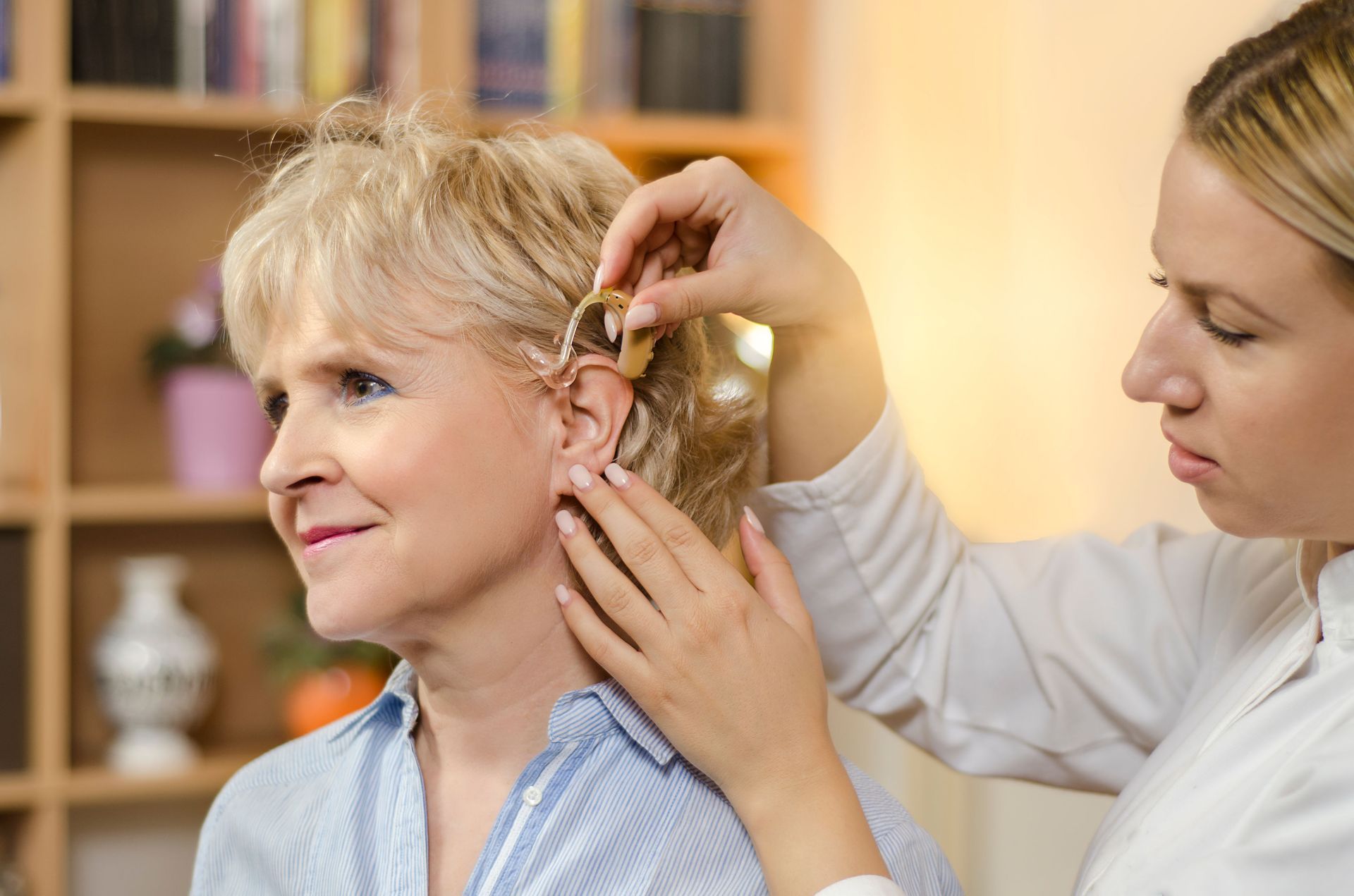
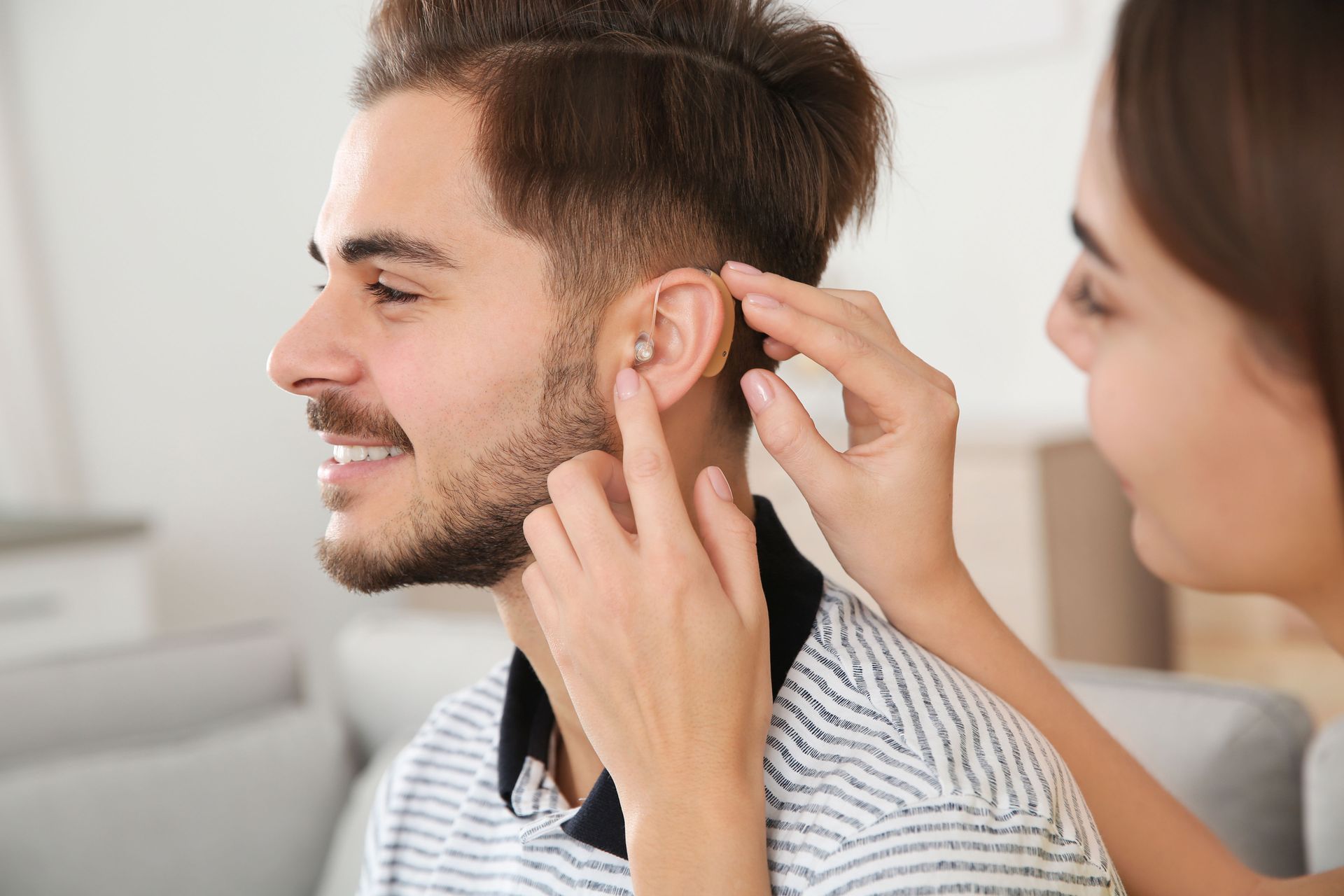
Hearing aid services help address these concerns by offering personalized fittings, adjustments, and ongoing feedback. This process can improve how devices sit in or around the ear, how amplified sounds are delivered, and how background noise is managed in different environments. When comfort is prioritized early, people are more likely to wear their devices consistently and benefit from them throughout the day.
Comfort also extends beyond physical fit. Some individuals are sensitive to sudden environmental sounds, while others struggle during long conversations or in crowded rooms. Professional guidance helps identify those issues and refine settings over time, creating a more natural listening experience. Instead of tolerating discomfort, users can receive support that helps hearing technology feel better suited to real life.
Strengthening Clearer Daily Communication
Clarity is often the goal people care about most because hearing difficulties usually become most noticeable during conversation. Missing words, asking others to repeat themselves, or misinterpreting details can affect both practical communication and emotional connection. Over time, even brief misunderstandings can create strain in personal relationships, work settings, and public interactions.
This is where hearing aid services play a major role in improving speech understanding. Through evaluations, programming, and follow-up care, professionals can help users hear spoken language more distinctly in a variety of settings. That may include discussions at home, conversations in restaurants, meetings at work, or exchanges at medical appointments where details matter.
Clearer hearing also supports better listening stamina. People with untreated or poorly managed hearing issues often work much harder to follow conversations, which can lead to mental exhaustion by the end of the day. When devices are properly selected and adjusted, users may spend less effort trying to decode speech and more energy engaging in the moment. That difference can make communication feel less stressful and more rewarding over time.
Supporting Better Device Selection
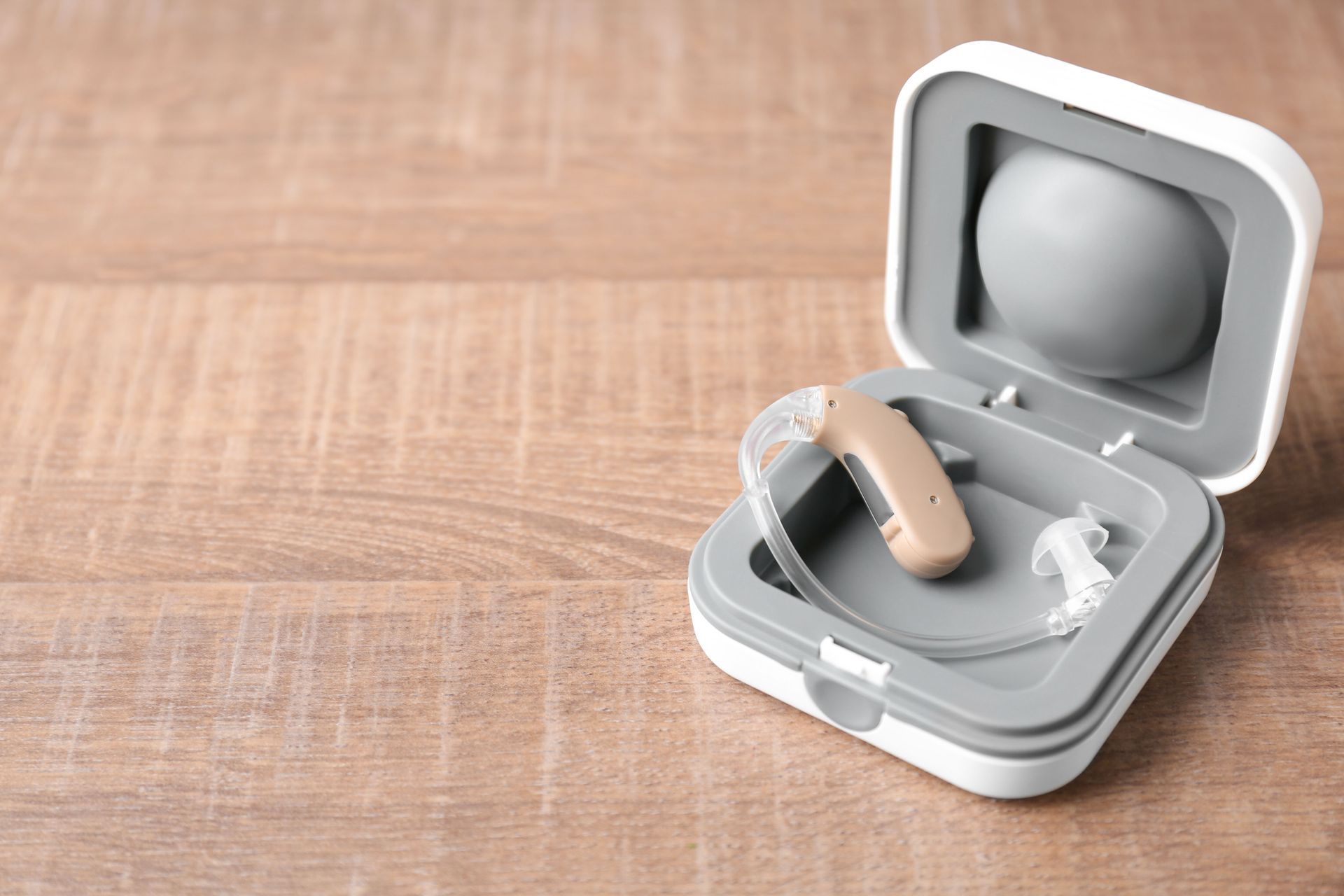
Not every hearing solution is right for every person. Hearing needs vary based on the level of hearing loss, lifestyle demands, dexterity, cosmetic preferences, and budget considerations. A person who spends time in quiet home settings may need different features than someone who works in busy environments or attends frequent social events. Choosing without expert input can lead to confusion or disappointment.
According to the Cleveland Clinic, adults age 18 and older in the U.S. can purchase hearing aids without an exam or prescription. While that expanded access may help more people begin exploring treatment, it also makes professional hearing aid services especially valuable. People still benefit from expert guidance when comparing styles, features, and performance expectations so they can make a decision that supports long-term success.
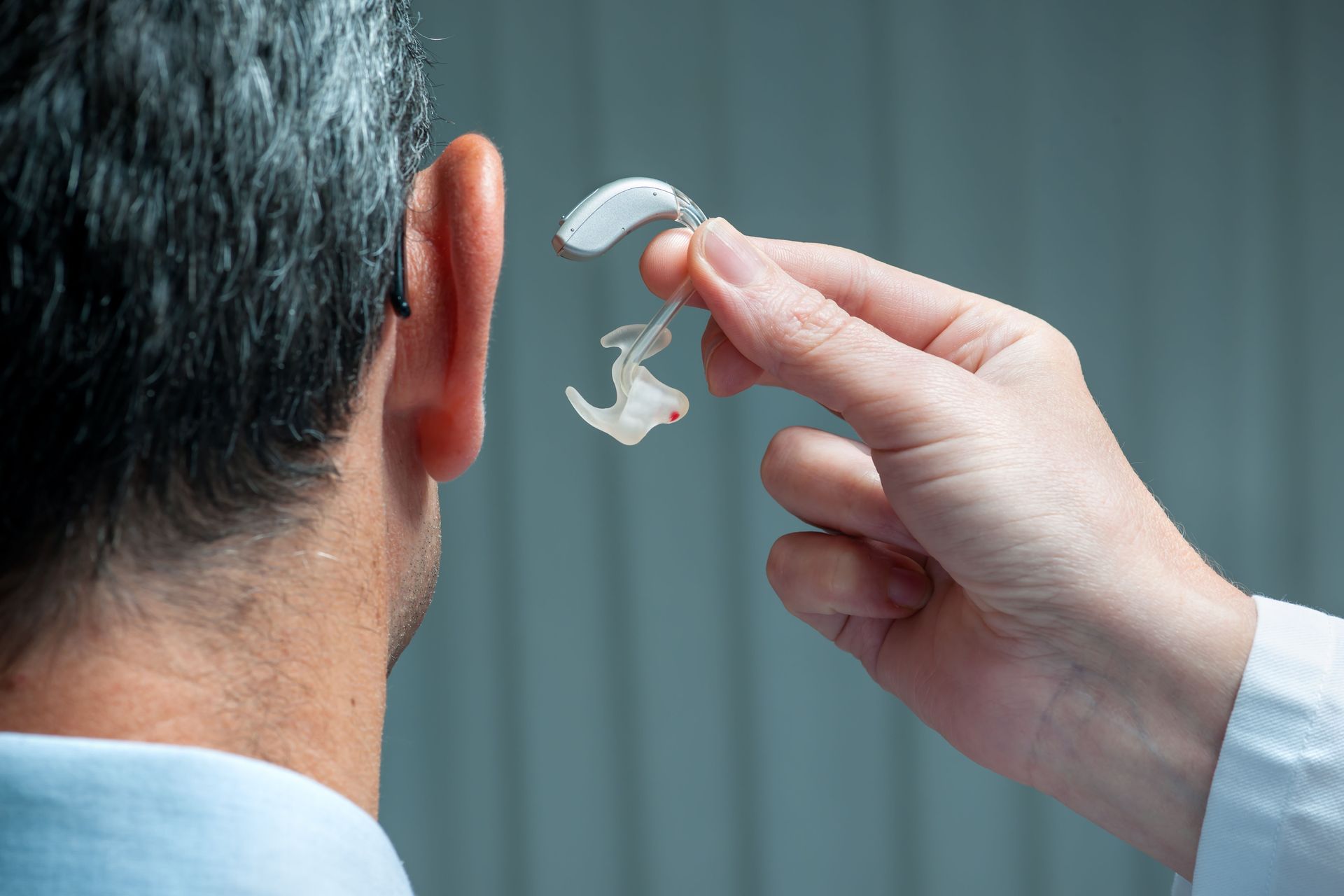
Professional input can also clarify the difference between convenience and suitability. Features such as rechargeable batteries, directional microphones, Bluetooth connectivity, and app-based controls may be helpful, but not every feature has equal value for every user. By matching technology to actual listening needs, providers can help people avoid unnecessary complexity and focus on options that genuinely improve everyday communication and comfort.
Building Confidence in Social Settings
Hearing challenges can gradually affect self-confidence, especially in group environments where conversations move quickly and multiple sounds compete for attention. Some people begin avoiding restaurants, family gatherings, community events, or phone calls because they feel embarrassed about misunderstanding others. Even when loved ones are supportive, repeated communication breakdowns can make social participation feel draining.
Hearing aid services support confidence by helping people prepare for those situations instead of simply reacting to them. Ongoing care may involve refining device settings for noisy environments, teaching users how to position themselves for better hearing, and explaining realistic expectations for different listening situations. That type of support can make social experiences feel less intimidating and more enjoyable.
As confidence improves, many people become more willing to rejoin activities they once limited or avoided. They may speak up more during conversations, attend more events, and feel less anxious about missing important information. Confidence is not only about hearing every sound perfectly. It is about trusting that the available tools and support are strong enough to help a person stay connected and present in everyday life.
Encouraging Ongoing Adjustment and Care
Hearing support is rarely a one-time event. Needs can change over time, and even well-chosen devices may require updates as a person adapts to amplified sound or encounters new listening demands. Without follow-up care, small issues can build into larger frustrations that reduce satisfaction and cause people to stop using their devices consistently.
That is why hearing aid services are so important after the initial fitting. Routine appointments allow providers to clean devices, check performance, update settings, and address concerns before they become major obstacles. These visits also allow users to ask questions about maintenance, volume changes, sound quality, and daily wear. Continued support helps turn hearing technology into a dependable part of life rather than an occasional tool.
Regular follow-up also reinforces realistic progress. Some people expect immediate perfection and feel discouraged when adjustment takes time. Others may not realize how much improvement is possible with a few refinements. In that sense, hearing aid services provide not only technical support but also encouragement and reassurance throughout the process.
Promoting Greater Independence and Assurance
When people hear more comfortably and communicate more clearly, they often gain a stronger sense of independence. Everyday tasks such as speaking on the phone, following directions, participating in appointments, and responding to important announcements can become easier with the right support. That added clarity can reduce reliance on others and help individuals feel more self-assured in both familiar and unfamiliar settings.
Hearing aid services contribute to that independence by creating a support system that is practical and personal. Instead of leaving individuals to troubleshoot issues alone, providers can help them understand how to use their devices effectively and how to adapt when listening needs change. This sense of preparation often leads to better long-term outcomes because users feel more capable of navigating daily situations with confidence.
In the end, the value of professional support reaches beyond the device itself. It includes comfort during long days, clearer communication with others, stronger participation in meaningful moments, and reassurance that help is available when needed. When people receive thoughtful guidance, they are better positioned to enjoy the sounds, conversations, and connections that shape everyday life. Call Accuracy First today to schedule your hearing aid consultation.





Share On: