
Signs Your Hearing Aid Needs Adjustment or Re-Test
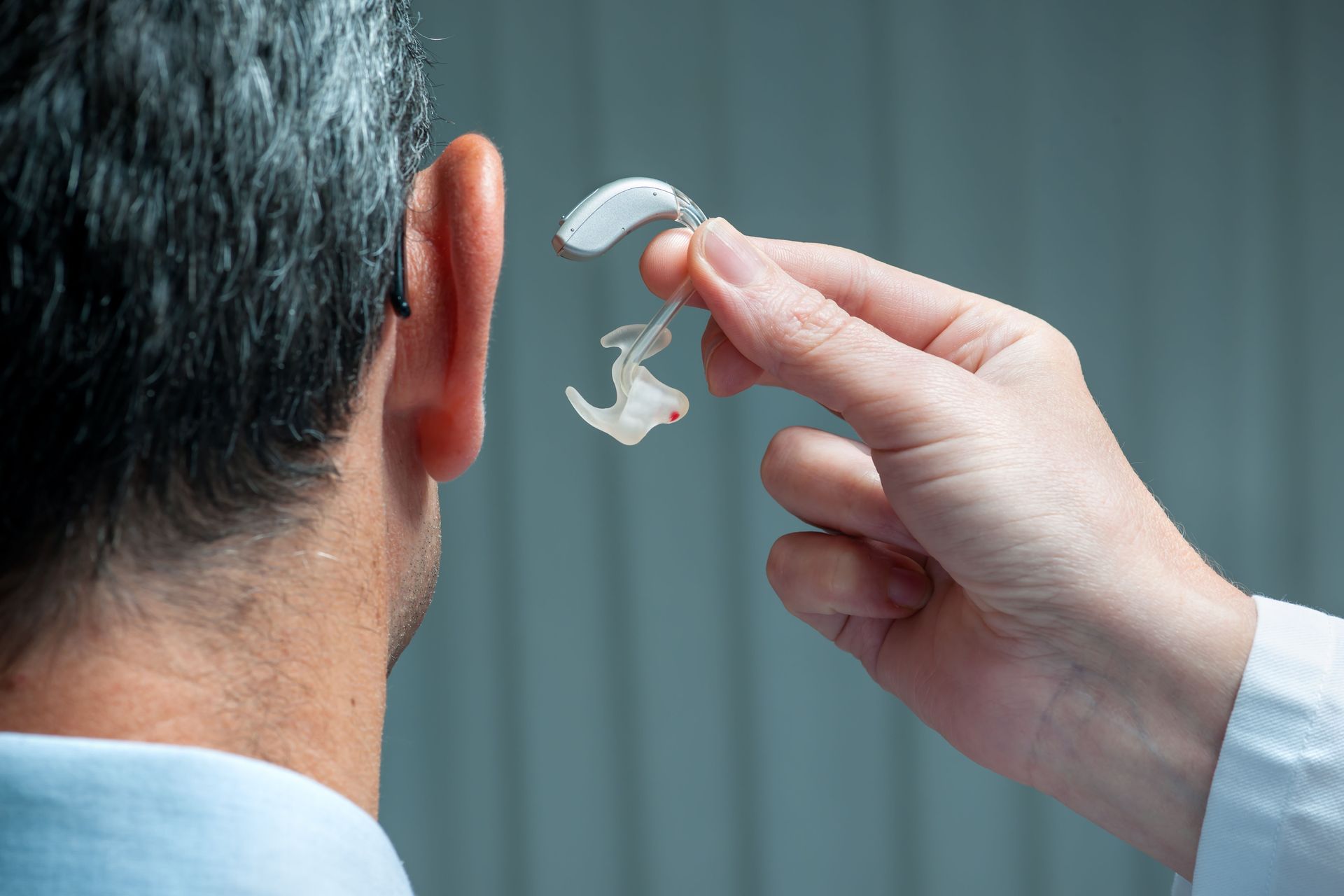
Hearing aids are life-changing devices that help you connect with the world around you. However, like any piece of technology, they may need adjustments over time to maintain optimal performance. A hearing aid test can help determine whether your device is functioning correctly and whether any modifications are necessary. Regular checkups ensure you continue to hear clearly, comfortably, and safely. In this guide, we’ll explore common signs that indicate your hearing aid may need an adjustment or a retest, helping you stay proactive about your hearing health.
Changes in Hearing Clarity
One of the most obvious signs that it’s time for a hearing aid test is a sudden or gradual change in clarity. If speech sounds muffled, voices are harder to distinguish, or background noise seems more intrusive than before, your device may need fine-tuning. Adjustments made during a hearing aid test can help improve clarity and restore balance, making conversations and daily interactions easier to manage. These changes can occur naturally over time as your hearing shifts, or they may result from changes in the device’s programming or battery performance.
Discomfort or Ear Irritation
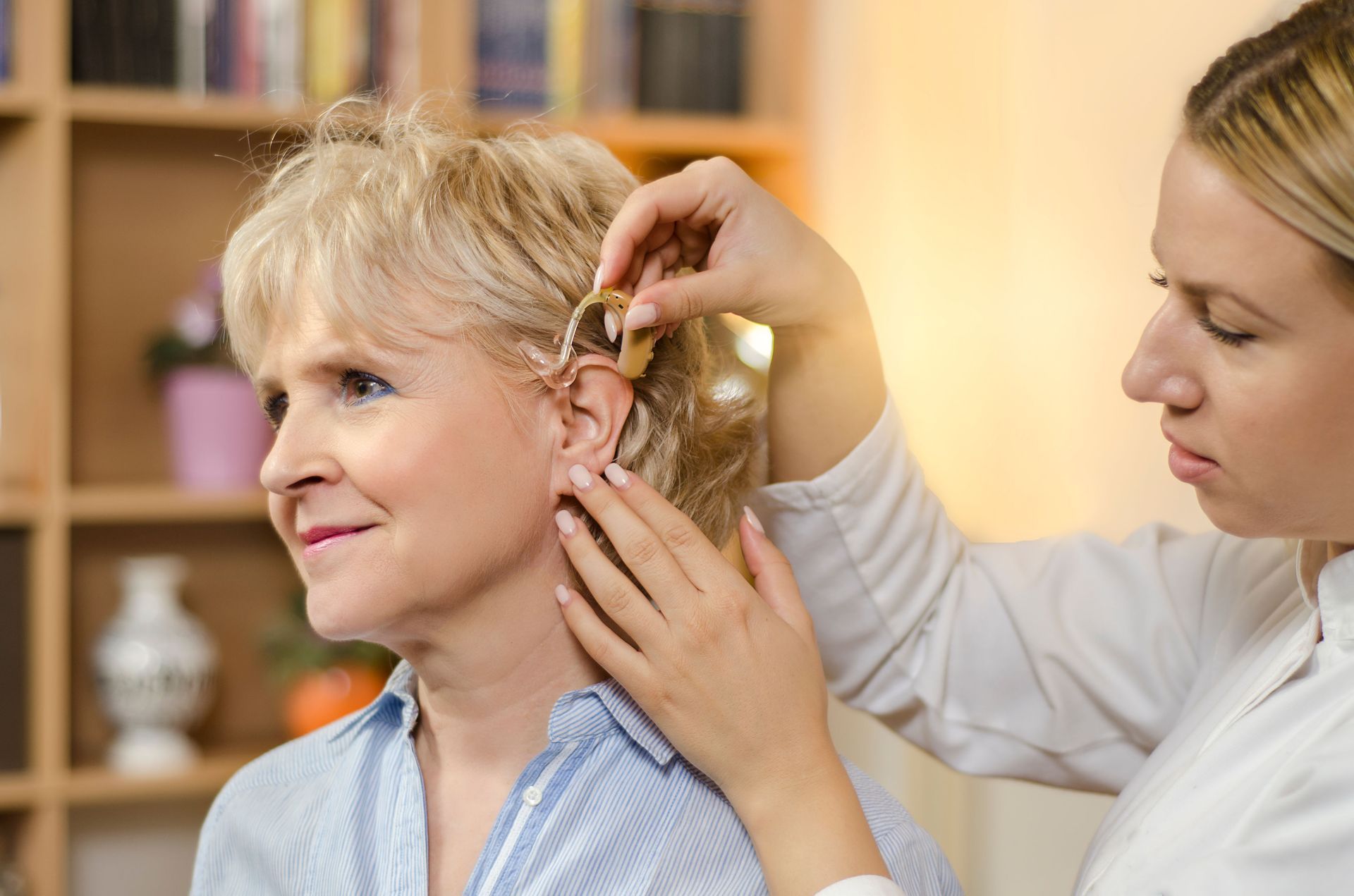
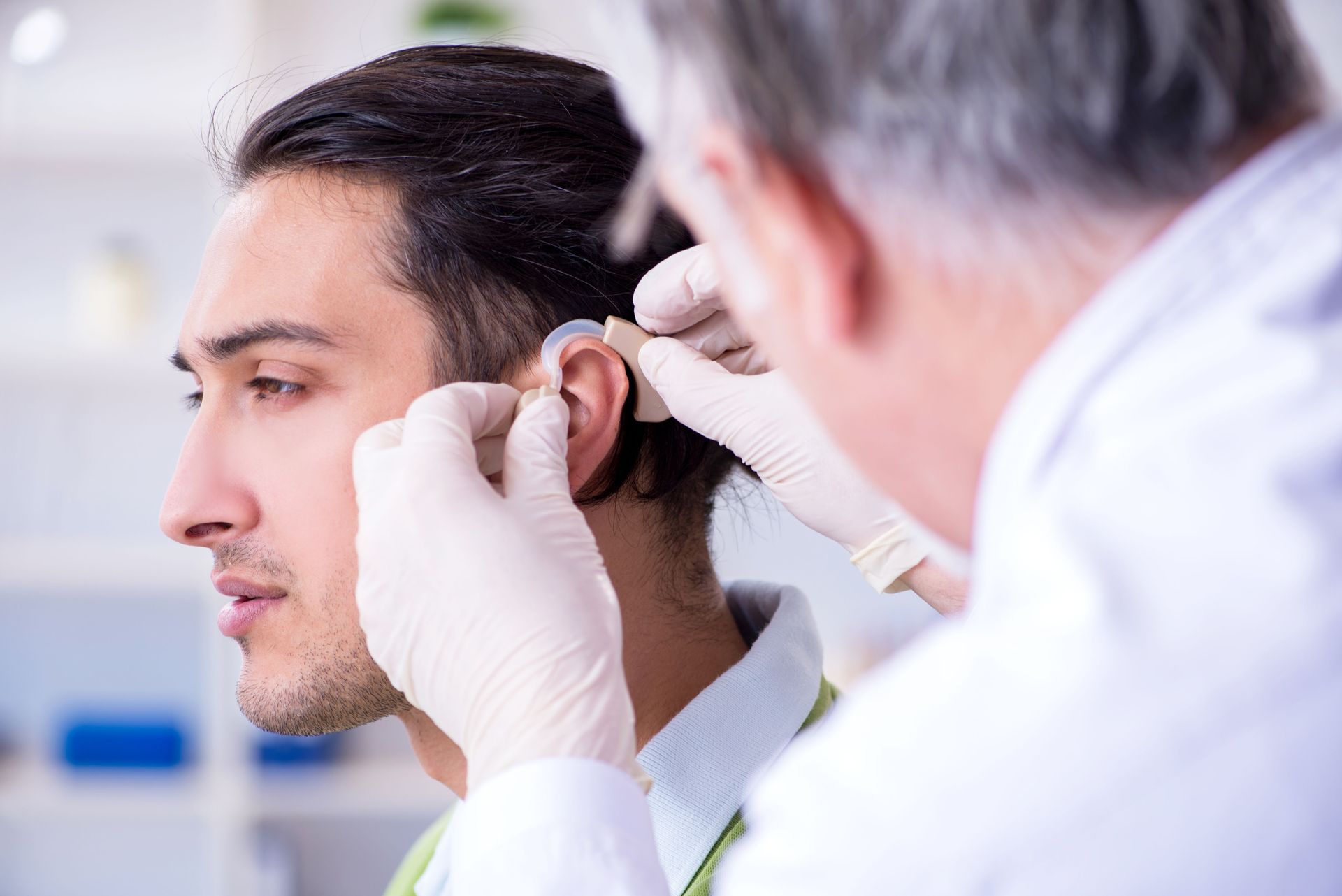
If your hearing aid begins to cause discomfort, itching, or soreness in your ear, it could be a sign that the fit is no longer optimal. Even slight changes in ear shape or the way the device sits can impact comfort. A hearing aid test allows professionals to evaluate the fit and make adjustments, ensuring the device rests comfortably while maintaining maximum effectiveness. Addressing discomfort promptly can prevent ear infections and make wearing your hearing aid a more pleasant experience throughout the day.
Battery Life and Power Issues
Shortened battery life or unexpected device shutdowns can indicate a problem with your hearing aid’s power or programming. While some battery fluctuation is normal, frequent issues may suggest your device is drawing more energy than it should, or that internal components need attention. A hearing aid test can assess battery performance and identify potential problems, ensuring you get consistent power and optimal use. Addressing power concerns early can help avoid inconvenient interruptions in hearing, especially during important conversations or work-related tasks.
Feedback or Whistling Sounds
Feedback, such as whistling or squealing noises, is a common indicator that a hearing aid needs adjustment. This can happen when the device is slightly misaligned or when wax or moisture interferes with performance. A professional hearing aid test can pinpoint the source of the feedback and adjust the device to eliminate unwanted sounds. Resolving these issues not only improves listening comfort but also helps you maintain confidence in social and professional settings. Regular monitoring can also prevent feedback from recurring and ensure your device consistently delivers clear sound throughout daily activities.
Difficulty Hearing in Noisy Environments
Many hearing aid users notice a decline in performance in noisy settings over time. If background noise overwhelms conversations or you find it harder to follow speech in public places, it may be time for a hearing aid test. Audiologists can recalibrate your device to better filter environmental sounds and enhance speech recognition. Regular testing ensures your hearing aid adapts to real-world listening conditions, making everyday activities like dining out or attending meetings less stressful and more enjoyable. Keeping a record of challenging listening environments can help professionals fine-tune settings even more effectively.
Device Appears Physically Damaged or Worn
Physical damage, cracks, or worn-out components can affect your hearing aid’s performance. Exposure to moisture, accidental drops, or everyday wear can gradually reduce effectiveness. A hearing aid test can help identify internal or external issues that compromise function, allowing technicians to repair or replace parts as needed. Keeping your device in good condition through professional care extends its lifespan and ensures it continues to provide clear and reliable hearing support. Regular inspections also help detect subtle wear before it leads to more significant problems or unexpected breakdowns.
Changes in Your Hearing Health
Your hearing can change over time due to age, illness, or exposure to loud environments. According to Forbes, around 22 million Americans are exposed to hazardous noise levels in their workplaces. These changes may affect how well your hearing aid meets your needs. A hearing aid test can evaluate your current hearing profile and adjust the device accordingly. Monitoring your hearing health regularly helps maintain optimal clarity, prevents additional strain on your ears, and ensures your device continues to support your lifestyle effectively. Consistent checkups can also help track gradual changes, allowing for timely adjustments and continued comfort.
Problems With Connectivity and Technology
Modern hearing aids often include Bluetooth or wireless connectivity to smartphones, TVs, and other devices. If you experience difficulty pairing, lag, or intermittent connection issues, it might indicate a problem with your device’s software or settings. A professional hearing aid test can troubleshoot these technological challenges and update the programming to restore seamless connectivity. Ensuring your device functions correctly with your gadgets allows you to fully enjoy features like streaming, phone calls, and remote control adjustments.
Unusual Sounds or Distortion
Hearing aids should deliver sound clearly and naturally. If you notice buzzing, crackling, or distorted audio, this is a clear signal that your device may need attention. A hearing aid test can determine whether the issue stems from the device, earwax buildup, or environmental factors. Professionals can clean, adjust, or repair the hearing aid to restore normal sound quality. Addressing these problems promptly prevents further strain on your ears and maintains your overall listening comfort. Paying attention to subtle changes early can also help avoid more extensive repairs or replacements, saving both time and money in the long run.
Difficulty Adjusting to New Programs or Settings
Many hearing aids come with customizable programs for different environments, such as quiet rooms or outdoor settings. If switching between programs feels confusing or ineffective, it may indicate a need for a hearing aid test. Professionals can fine-tune settings, optimize program transitions, and provide guidance on using your device to its full potential. Regular checkups ensure that new settings match your hearing profile and lifestyle, allowing you to experience consistent and reliable performance in all situations. Additionally, professionals can educate you on features you may not be using effectively, helping you get the most from your device.
Unexpected Performance Drop
Sometimes, hearing aid performance declines without a clear cause. You may notice that familiar sounds seem distant, soft, or uneven. A hearing aid test can identify subtle issues such as internal malfunctions, moisture damage, or calibration errors. Early detection and adjustment prevent long-term hearing loss or reliance on inaccurate amplification. Working with professionals ensures that your hearing aid continues to deliver the support you need, adapting to changes in your hearing and maintaining your quality of life. Routine monitoring also helps detect gradual performance changes that might otherwise go unnoticed until they become problematic.
Recognizing the signs that your hearing aid needs adjustment or a re-test is essential for maintaining clear, comfortable, and reliable hearing. From feedback and distortion to changes in your hearing profile, timely professional intervention ensures your device continues to meet your needs. Regular hearing aid tests protect your investment, support long-term ear health, and allow you to stay engaged in conversations and daily activities. For dependable hearing aid services, expert testing, and personalized support, reach out to Accuracy First to schedule your next professional assessment and keep your hearing at its optimal level.



Share On: