
What to Expect at Your First Visit to a Hearing Test Center
Hearing is one of the most vital senses we rely on daily. It affects how we communicate, interact with others, and even enjoy the world around us. Yet, many people put off getting their hearing checked until they notice significant issues, often missing the chance to address problems early. Visiting a hearing test center for the first time can feel intimidating or unfamiliar, but knowing what to expect can help make the experience comfortable, efficient, and even empowering.
Your first visit is designed to evaluate your auditory health thoroughly, identify potential concerns, and provide guidance for next steps. Hearing care professionals use a combination of medical history, specialized assessments, and consultations to create a complete picture of your hearing. Whether you’re experiencing minor difficulties or just want a baseline check, understanding the process can help you feel confident and prepared.
Preparing for Your Consultation
Your first stop at a hearing test center usually involves a thorough consultation with an audiologist or hearing care professional. During this initial meeting, you’ll be asked about your general health, medical history, and specific concerns related to your hearing. Questions may cover any previous hearing problems, exposure to loud noises, tinnitus (ringing in the ears), balance issues, and family history of hearing loss. This information helps the audiologist understand potential causes of hearing difficulties and tailor the tests accordingly.
Be prepared to discuss your lifestyle and daily activities. For example, if you work in a noisy environment or frequently attend concerts, this could impact your hearing. The audiologist may also ask about medications you take, as some drugs can affect hearing. Providing detailed and accurate information ensures the evaluation is comprehensive and sets the foundation for an effective hearing assessment.
The consultation often includes a discussion of your goals for the test. Are you noticing difficulty following conversations in noisy environments? Do you want to explore hearing aid options, or are you simply seeking a baseline measurement? Clear communication about your expectations allows the audiologist to focus on your specific needs.
Finally, the initial consultation is an opportunity to ask questions. You can inquire about the types of tests that will be performed, the approximate duration of your visit, and what outcomes you might expect. This dialogue helps reduce anxiety and ensures you leave the consultation feeling informed and confident about the process.
Completing Your Hearing Test
After the consultation, you’ll move on to the actual test, which is designed to measure how well you perceive different sounds, pitches, and volumes. One of the most common tests is pure-tone audiometry, where you’ll wear headphones and listen to a series of beeps or tones. You’ll indicate when you hear a sound, allowing the audiologist to determine your hearing threshold across various frequencies.
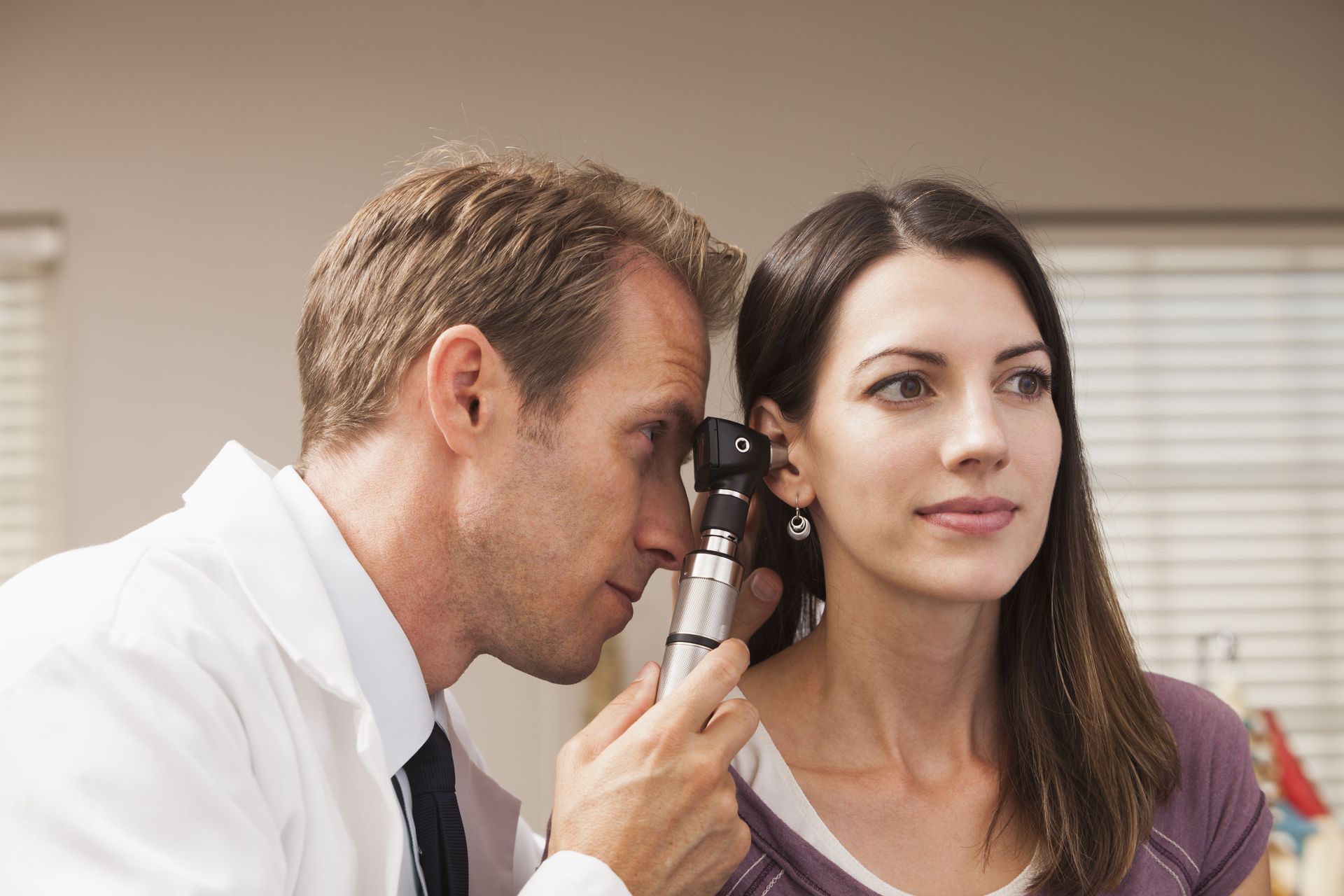
Speech recognition tests are often included to evaluate how well you can understand spoken words, especially in the presence of background noise. These tests may involve repeating words or sentences presented at different volumes and levels of clarity. The audiologist may also examine how your eardrum responds to changes in air pressure, helping to detect fluid, ear infections, or eustachian tube dysfunction.
It’s important to remember that these tests are painless and non-invasive. Most people find them straightforward, and the audiologist will guide you step by step, explaining each part of the process. Taking your time and responding accurately is crucial to obtaining reliable results.
According to the National Institutes of Health, around one in eight Americans over the age of 11 has hearing loss in both ears. This statistic highlights the importance of regular hearing evaluations. Early detection can prevent further deterioration, improve communication, and enhance overall quality of life. A hearing test provides an objective measure of your auditory health and can be the first step toward interventions that make a meaningful difference.
Interpreting Your Results
Once the tests are completed, the audiologist will review the results with you in detail. You’ll receive a summary that explains your hearing ability across different frequencies and how it compares to typical hearing levels. The results may indicate normal hearing, mild or moderate hearing loss, or more severe impairments that require attention.
The audiologist will take the time to interpret the findings in plain language, ensuring you understand what the numbers and graphs mean for your daily life. They may discuss patterns in your hearing loss, such as difficulty hearing high-pitched sounds, trouble in noisy environments, or an imbalance between the ears. This explanation is key to understanding whether you need further testing, hearing aids, or other interventions.
Depending on your results, the audiologist may recommend additional assessments, such as specialized testing for specific types of hearing loss. These recommendations are based on your individual needs, ensuring a personalized approach to hearing care.
The review session is also a time to ask questions about possible next steps. You can discuss treatment options, hear about assistive listening devices, and explore strategies for improving communication in daily life. A thorough review ensures that you leave the hearing test center with a clear understanding of your hearing health and a roadmap for maintaining or improving it.
Implementing Your Care Plan
After reviewing the results, the audiologist will provide recommendations tailored to your specific hearing profile. For some, this may involve routine monitoring with follow-up tests scheduled annually or as needed. For others, it could include fitting hearing aids, exploring cochlear implants, or using assistive listening devices to enhance daily communication.
Lifestyle adjustments may also be suggested. Protecting your ears from loud environments, using noise-canceling headphones, or adjusting your home and workspaces can all help preserve your hearing. The audiologist may provide tips for better communication strategies, such as facing speakers, reducing background noise, and speaking clearly.
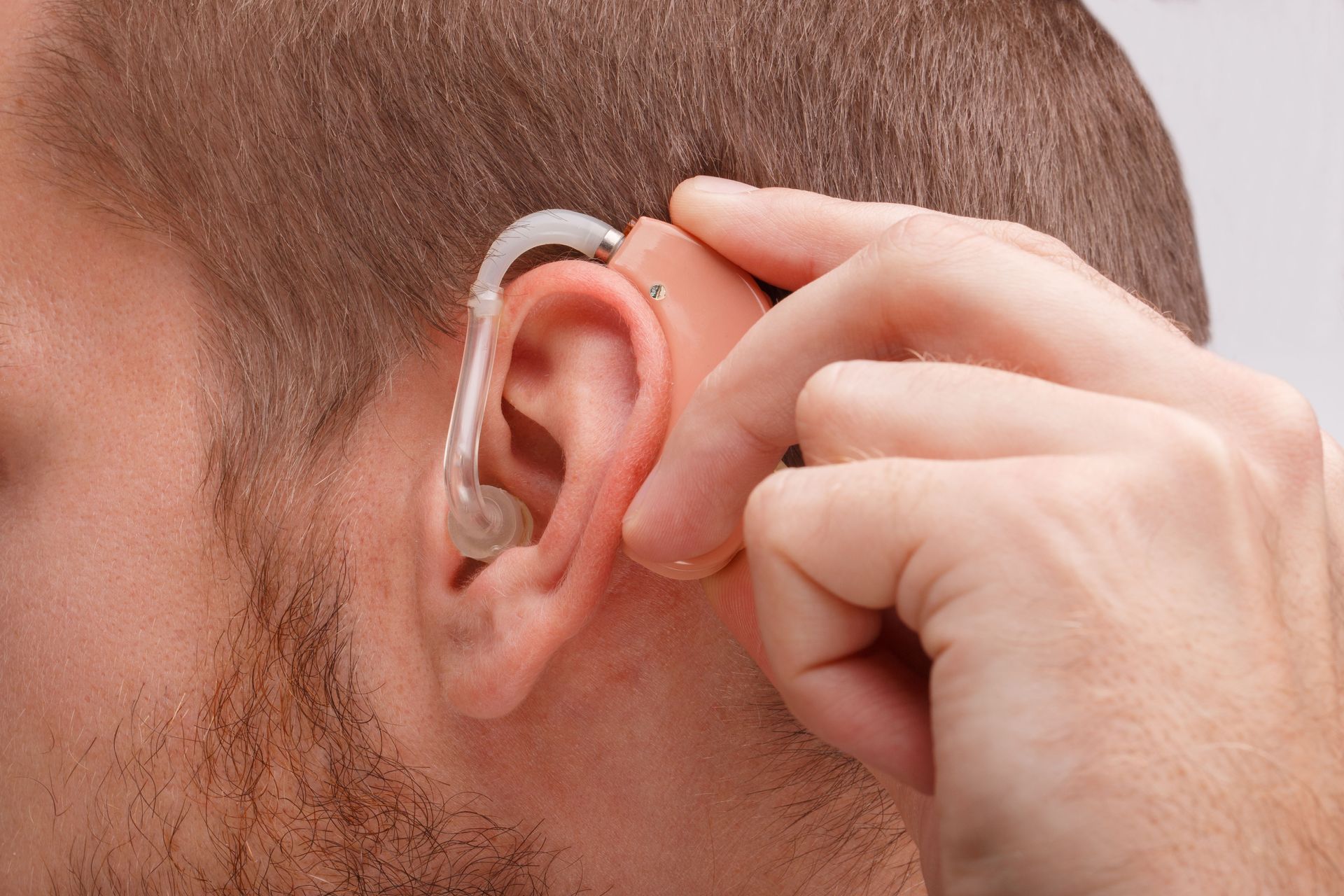
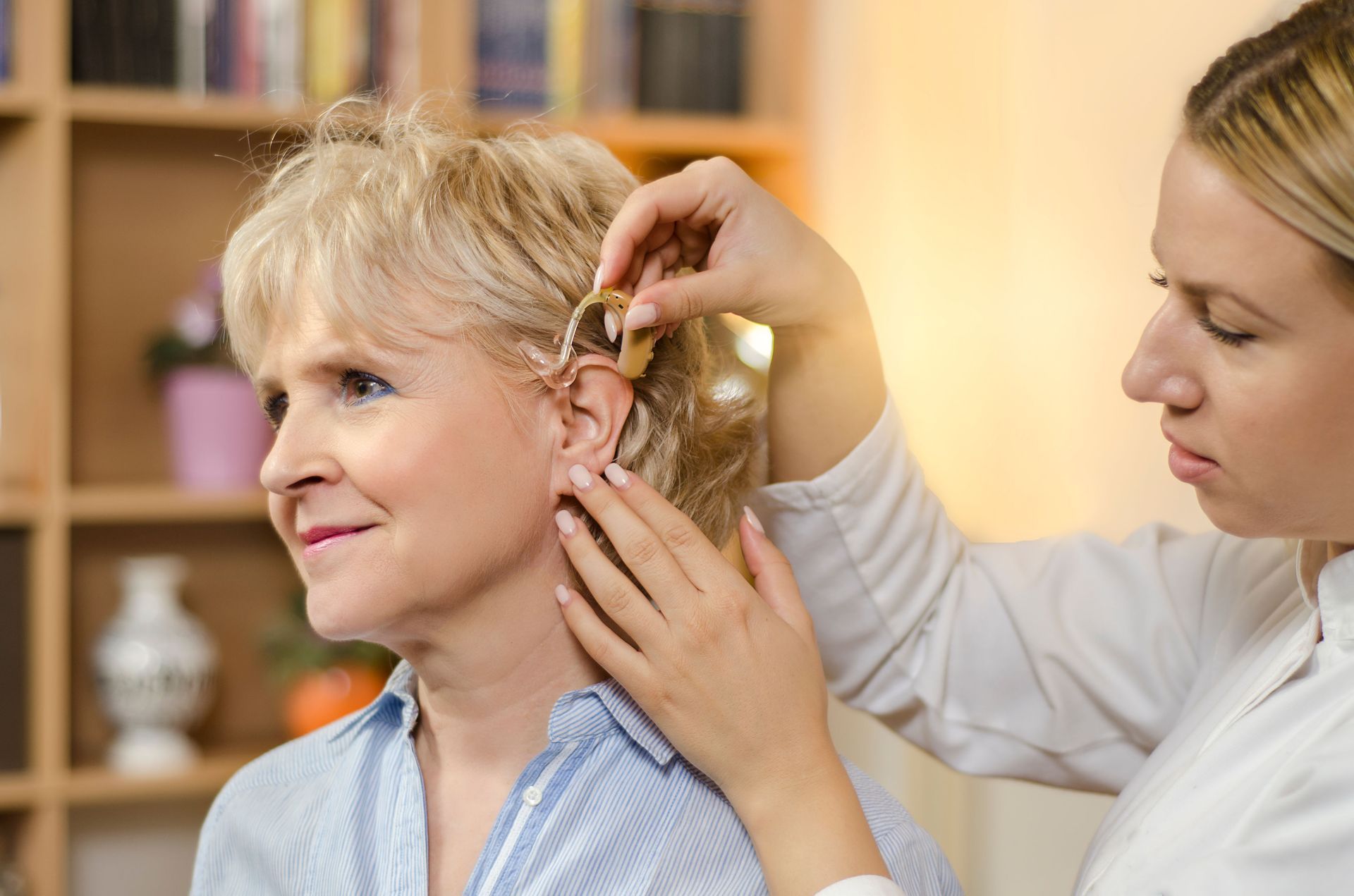
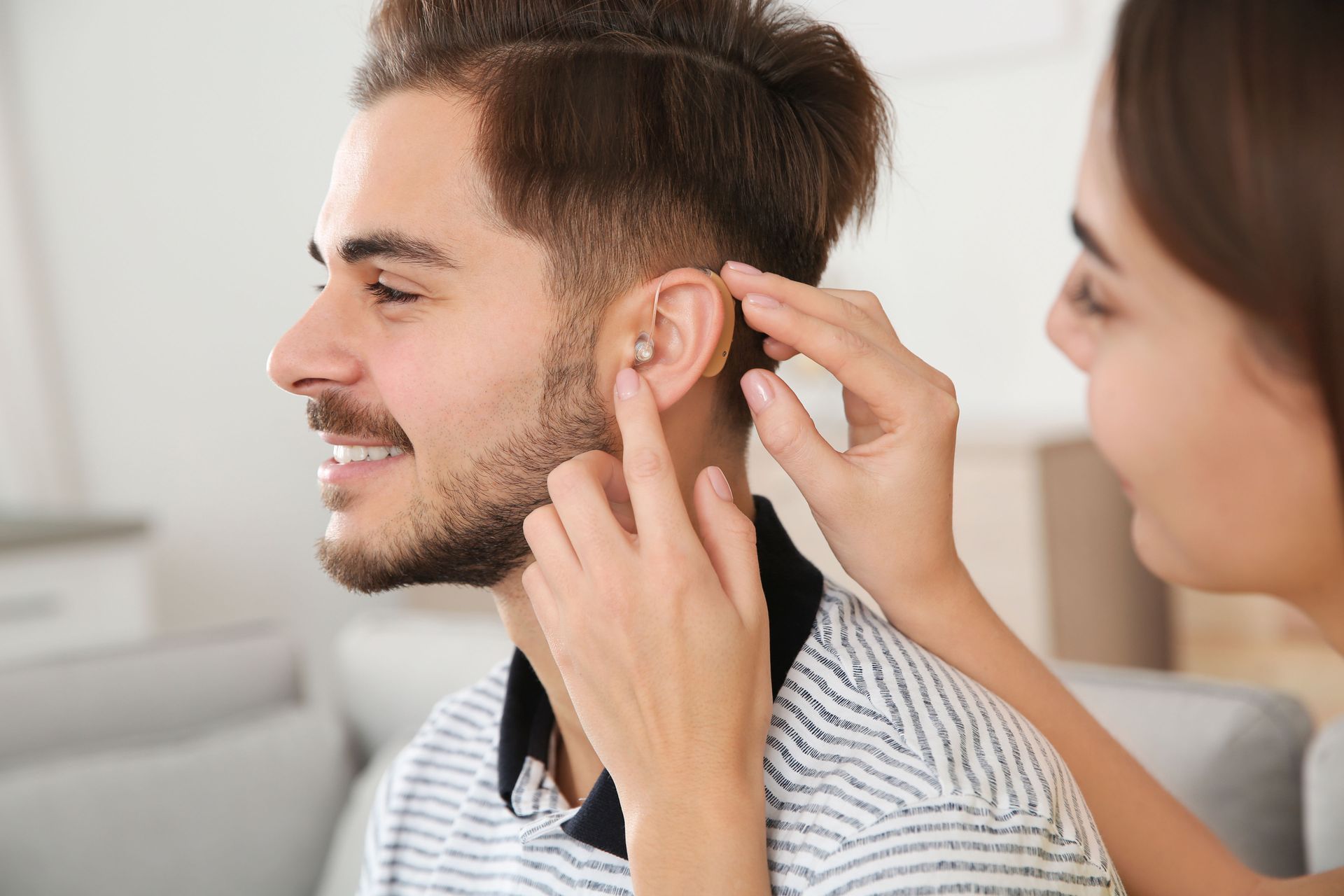
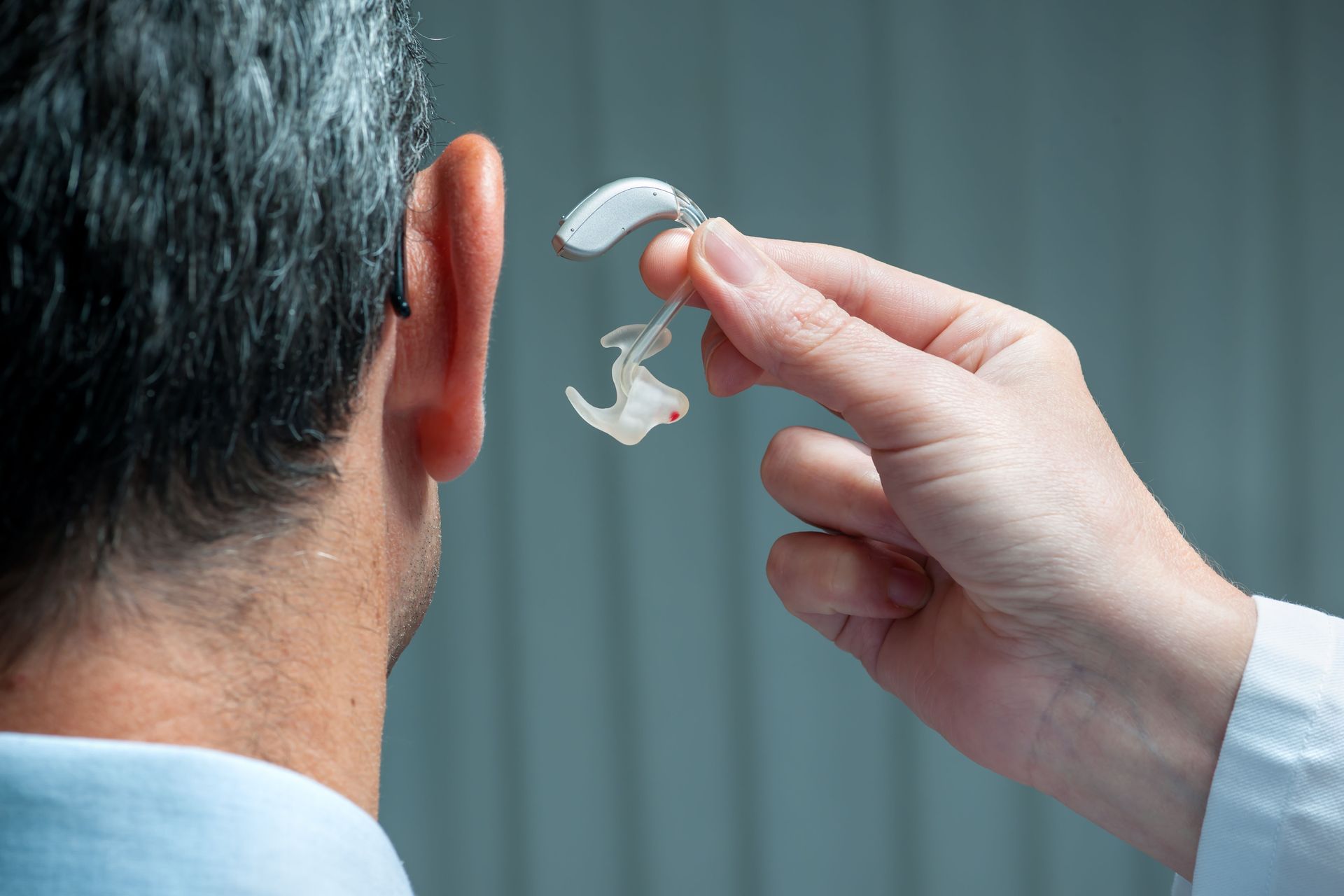
If hearing aids are recommended, the hearing test center staff can guide you through the selection process, explaining different models, features, and costs. You’ll learn about the fitting process, device programming, and ongoing maintenance to ensure optimal performance. This personalized guidance helps you make informed decisions and sets realistic expectations for the benefits and limitations of hearing aids.
Visiting a hearing test center for the first time is an important step toward maintaining your auditory health. Understanding the process, from initial consultation to testing, result review, and personalized recommendations, can make the experience less daunting and more informative. A hearing test is not just about detecting problems—it’s about empowering you with knowledge and options to improve your quality of life.
Regular hearing assessments become especially significant as we age or experience changes in our auditory environment. By knowing what to expect at your first visit, you can approach the experience with confidence, prepared to ask questions and make informed decisions. Taking the time to understand your hearing health is an investment in communication, relationships, and overall well-being.
Ultimately, your first hearing test visit can be the start of a proactive approach to hearing care. Whether you discover normal hearing, mild loss, or a need for intervention, having professional guidance ensures that you can address issues early and take steps to protect your hearing. Prioritizing your auditory health allows you to continue enjoying the sounds of life with clarity, connection, and confidence.
Book your hearing test with Accuracy First today and take control of your auditory health. Our services are designed to provide accurate results and personalized guidance for every patient.





Share On: