
Why Scheduling a Local Hearing Test Is Important for Your Ear Health
Hearing plays a vital role in everyday life, influencing how people communicate, stay safe, and engage with the world around them. When hearing begins to decline—whether suddenly or gradually—it can affect relationships, job performance, and overall well-being. Despite these impacts, many individuals delay getting their hearing checked, attributing changes to background noise, aging, or temporary issues. Just as people schedule routine physicals, eye exams, and dental checkups, examining ear health is equally important. A local hearing test is one of the best ways to understand how well your ears are functioning and to identify concerns early, before they become bigger problems. By making hearing care a priority, individuals can protect their quality of life and ensure ongoing comfort and safety in their day-to-day activities.
Detecting Hearing Loss Early to Protect Communication
The most common reason to schedule a local hearing test is to detect hearing loss at its earliest stage. Hearing changes often happen slowly, making them easy to overlook. You might turn up the television volume more than usual or ask others to repeat themselves, but these signs may not feel like a major problem. However, untreated hearing loss can gradually interfere with communication, causing frustration during conversations and potentially leading to social withdrawal.
Hearing tests performed by trained professionals help measure how well each ear responds to different sound frequencies. This diagnostic information allows individuals to learn whether their hearing is within the normal range or whether there are noticeable weaknesses that need further attention. When identified early, many causes of hearing loss can be managed effectively, preventing faster decline.
Research highlights the importance of protecting ear health as early as possible. According to The House Institute Foundation, 1.1 billion people between the ages of 12 and 35 are at risk of hearing loss due to exposure to recreational noise. From loud music to sporting events and personal audio devices, sound exposure can cause significant long-term damage. A local hearing test helps individuals understand their specific risk level and take steps to reduce further harm by using ear protection, adjusting volume levels, or making other preventive lifestyle changes.
Routine hearing testing creates a baseline for comparison, making it easier to spot changes over time. By staying proactive, people can preserve their natural hearing longer and maintain stronger communication with the people who matter most.
Identifying Medical Issues That Affect Ear Health
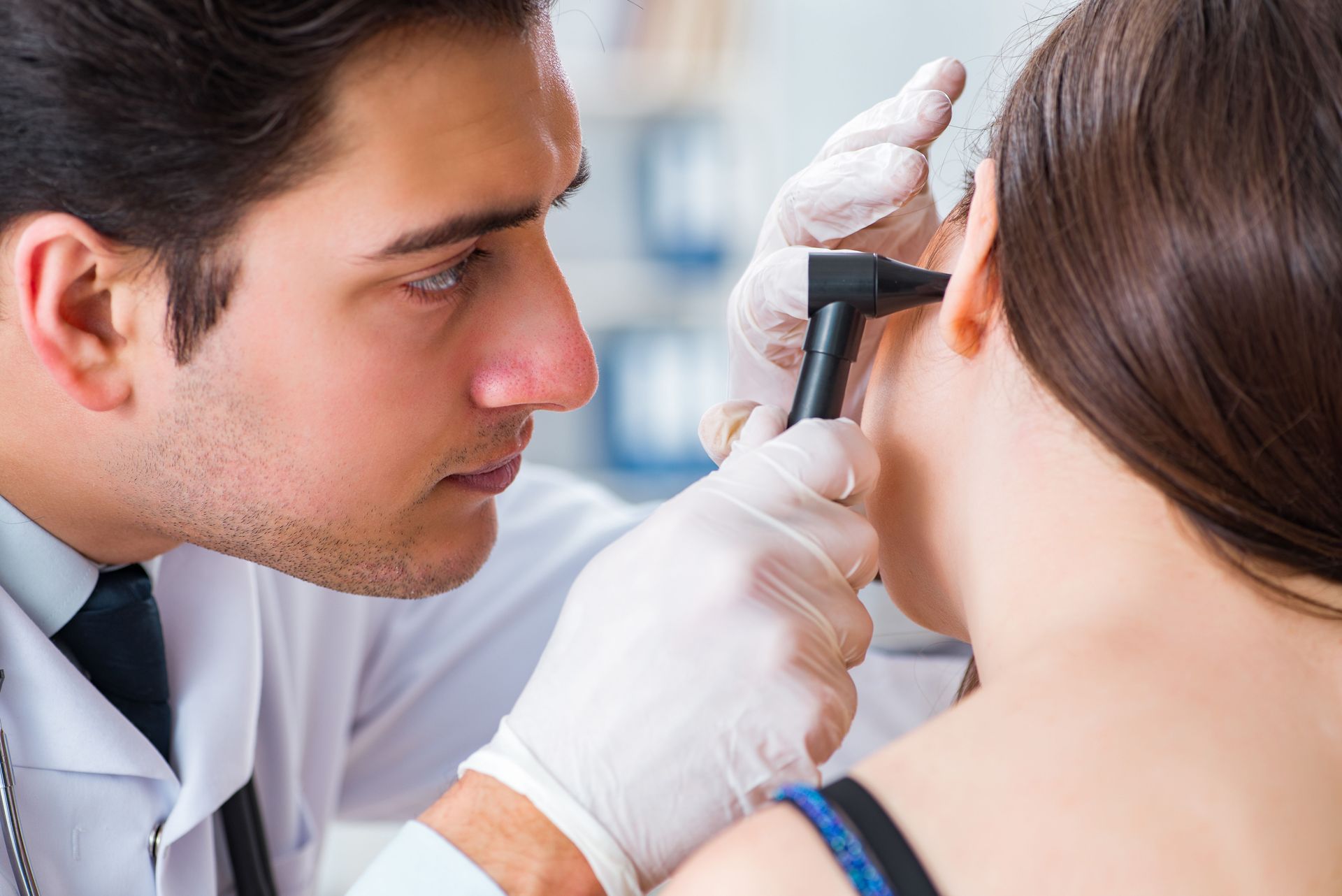
Not all ear-related concerns are caused by age or noise exposure. Sometimes hearing difficulties are tied to medical conditions that require prompt attention. A professional conducting a local hearing test evaluates more than just hearing ability—they also assess the overall health of the ear structures, including the eardrum and middle ear, where important sound transmission occurs.
Blockages caused by earwax buildup are common examples of reversible hearing interference. Fluid behind the eardrum, sinus problems, or infections can also affect hearing temporarily. In other cases, tinnitus (ringing in the ears) or sudden hearing changes may point toward nerve involvement or circulation issues. A trained hearing specialist can help differentiate between minor conditions and more serious concerns.
For children, ear exams are especially valuable. Younger individuals may not always be able to describe symptoms clearly, and hearing loss can affect learning, speech development, and focus. Detecting an issue early supports stronger academic performance and healthier social interactions. Adults also benefit from identifying underlying causes, such as allergies, autoimmune conditions, or otosclerosis, a disorder affecting the tiny bones of the middle ear.
A local hearing test provides clear information to guide next steps, whether that means seeking medical treatment, monitoring symptoms, or returning for further evaluation. The sooner a cause is identified, the easier it is to manage.
Supporting Everyday Safety and Awareness
Hearing is an essential part of staying safe, whether at home, on the road, or in public spaces. Alerting sounds such as alarms, sirens, vehicle horns, and warning signals help people respond quickly and avoid dangerous situations. When hearing declines, the ability to notice and interpret these sounds may also become impaired.
Regular checks through a local hearing test help ensure individuals remain aware of environmental cues that contribute to safety. For example, someone who enjoys outdoor activities like hiking or boating may rely on hearing to communicate with others or recognize hazards. Drivers depend on auditory signals to detect emergency vehicles or nearby traffic. Inside the home, detecting smoke alarms, running appliances, or someone calling for help is essential.
Because hearing loss can worsen gradually, individuals sometimes underestimate how much ability they have lost. A test eliminates guesswork, helping people adapt their surroundings or seek treatment if needed. Supporting strong hearing translates to improved independence and greater peace of mind.
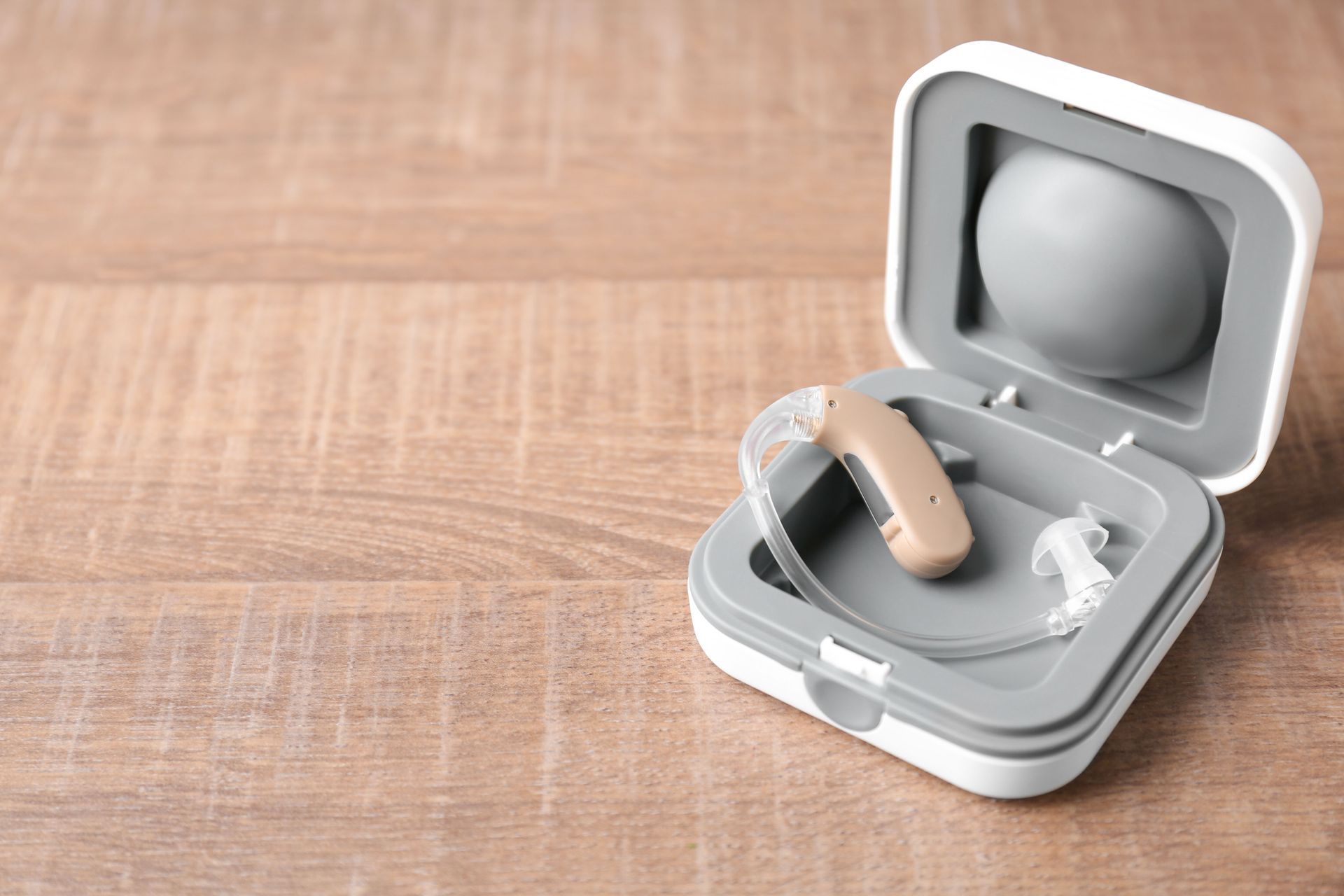
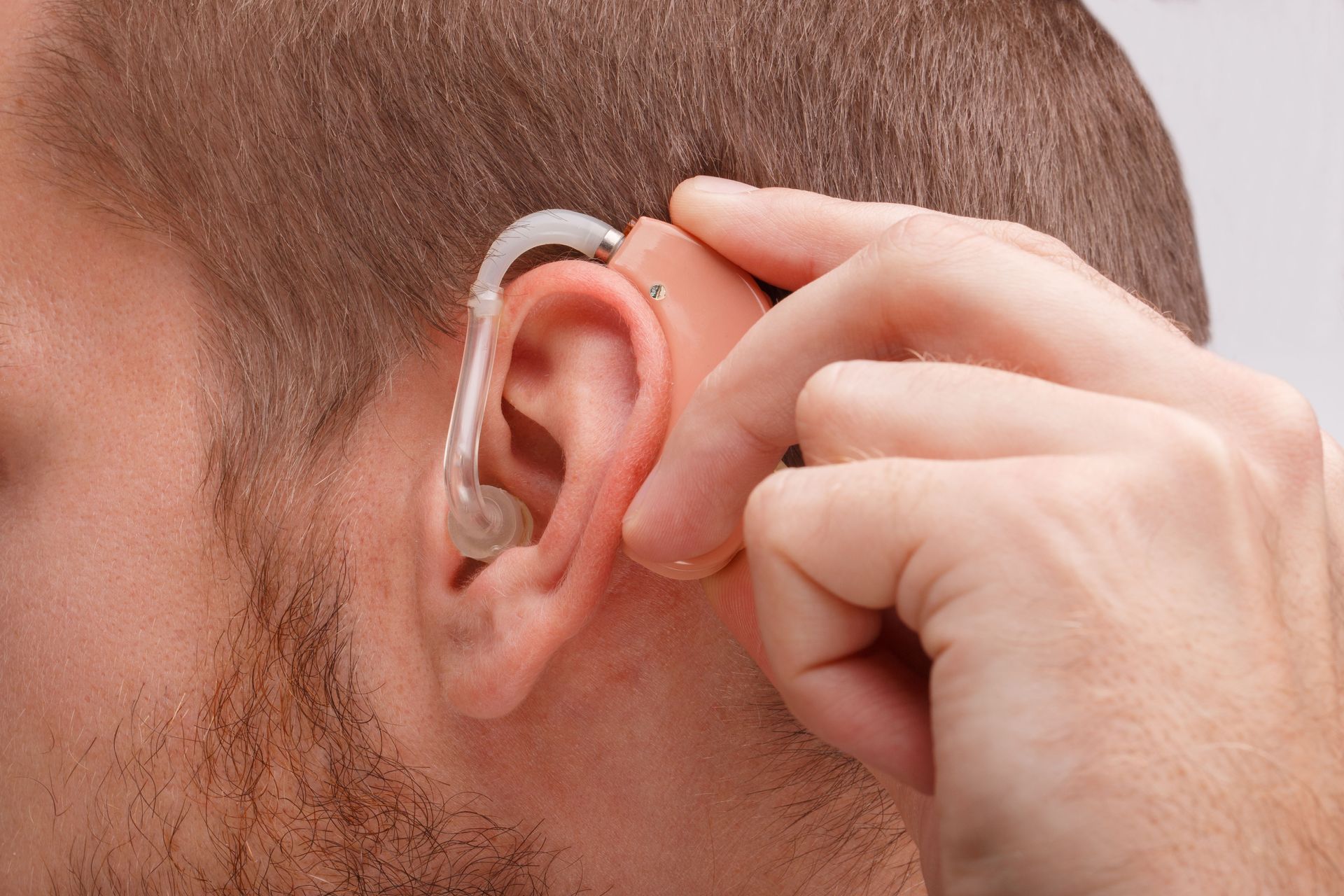
Even those currently using hearing aids should schedule periodic testing. Over time, hearing may change, and devices may require adjustments to provide the best results. A professional can verify that equipment is functioning properly and is calibrated to support maximum awareness in everyday environments.
Improving Social Connection and Emotional Well-Being
Hearing plays a major role in social comfort. When communication becomes difficult, interactions may feel frustrating or exhausting. People who struggle to hear clearly sometimes avoid gatherings or public places because they do not want to misinterpret conversations or feel embarrassed. Over time, this isolation can lead to loneliness and stress.
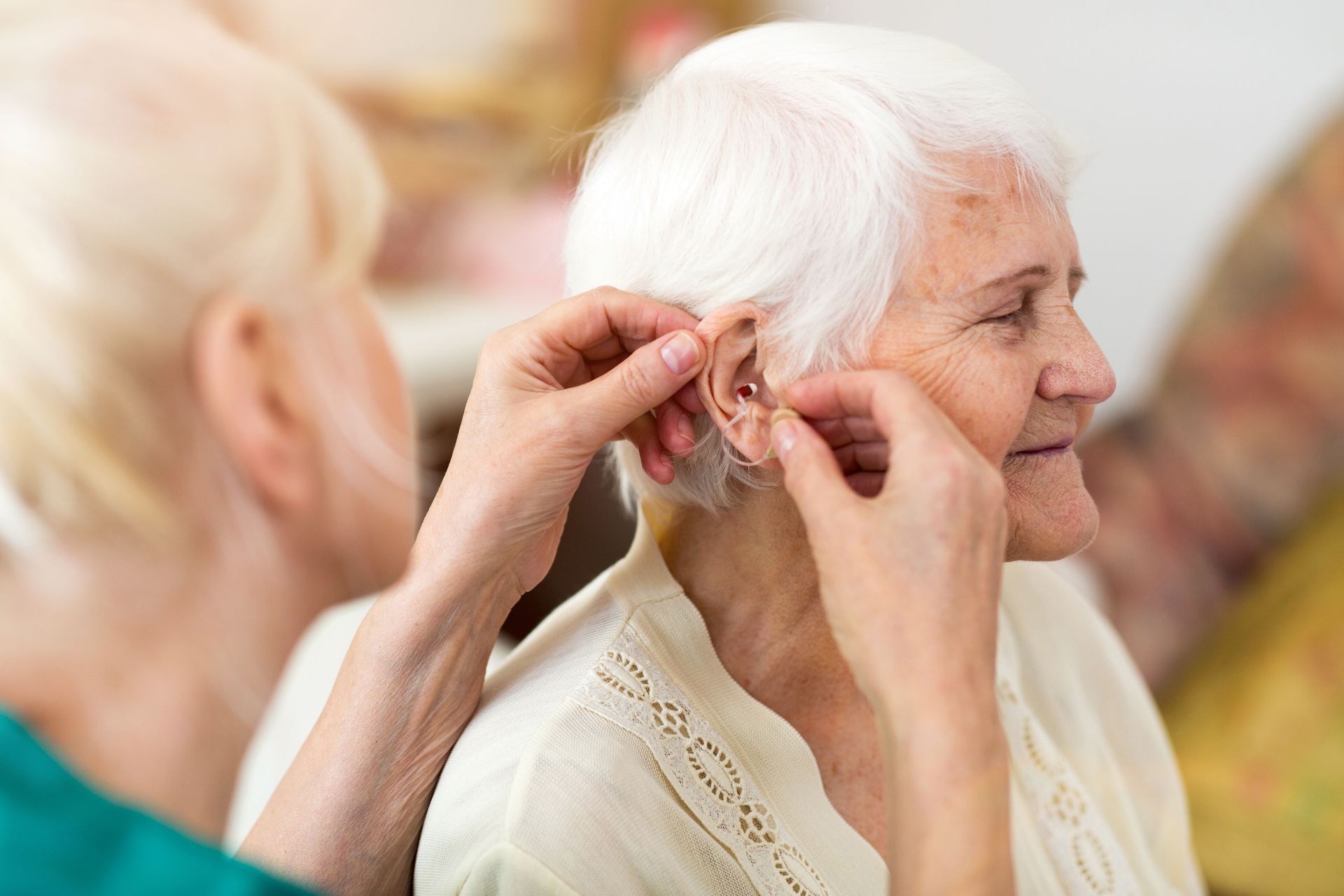
A local hearing test empowers individuals to better understand their hearing health so they can stay engaged with family, friends, and coworkers. If hearing supports are needed, professionals can recommend options that improve clarity and reduce strain during conversations. Whether the solution is medical treatment, hearing protection during loud events, or amplification technology, early awareness helps people stay connected to their communities.
Protecting hearing can also help support emotional wellness. Many individuals feel relieved when they receive answers about why they are struggling to follow conversations. Knowing that there are treatment paths available helps reduce anxiety and restore confidence.
Maintaining strong hearing is not just about auditory ability—it is about preserving the relationships and experiences that make daily life feel fulfilling and enjoyable. A hearing test provides the knowledge needed to protect those important social bonds.
Creating a Personalized Plan for Long-Term Hearing Care
One of the greatest benefits of a local hearing test is the personalized guidance provided afterward. Professionals take the time to explain the results clearly, discuss possible causes, and recommend the best course of action. Everyone’s hearing needs are different, and having customized support makes it easier to care for ear health effectively.
Lifestyle and risk factors vary—some individuals may work in noisy environments, while others may rely heavily on communication for their profession. Athletes, musicians, and construction workers all face unique hearing challenges. A hearing specialist can offer strategies tailored to these circumstances, whether that means recommending appropriate ear protection or suggesting regular retesting to monitor changes.
If treatment or hearing devices are needed, professionals help match clients with solutions that fit comfortably into daily routines. For those not yet experiencing significant hearing loss, the appointment still provides valuable education on how to prevent damage, reduce strain, and promote long-term wellness.
Choosing a locally based professional also adds practical convenience. With nearby access to follow-up testing or support, individuals can more easily maintain routine care rather than letting their ear health slip down the priority list. Call Accuracy First today to schedule your next hearing test!

Share On: