
Professional Maintenance Tips to Prolong the Life of Your Hearing Aids
Maintaining your hearing aids is crucial for preserving both their performance and their longevity. As one of the most vital health devices for those with hearing impairments, poorly maintained hearing aids can lead to discomfort and diminished functionality. This article outlines essential maintenance steps and tips to keep your hearing aids in optimal condition. By following these guidelines, every user can ensure that their aids work effectively for as long as possible. From daily cleaning routines to recognizing the importance of regular professional check-ups, these tips will comprehensively cover how to care for your hearing aids.
Daily Cleaning Routines
Using the Right Cleaning Tools
Daily cleaning of hearing aids requires the appropriate tools, such as a soft, dry cloth for wiping down surfaces without scratching. Special brushes with soft tips gently whisk away debris from tiny crevices. It's also wise to use wax picks or loops specific to hearing aids, which facilitate gentle earwax removal. Avoid using any sharp objects, which might damage sensitive parts. Incorporating these tools into your routine will maintain hygiene and optimize your device's performance.
Establishing a Nightly Routine
Setting aside time each night for hearing aid cleaning is a small commitment with significant benefits. A nightly routine may include removing the hearing aids, gently wiping them down, and placing them in a dry, safe place. This routine prevents earwax buildup and ensures that any moisture collected during the day has a chance to evaporate. Consistency in this nightly habit will decrease the likelihood of repair needs and prolong battery life. Your hearing aids will remain in better condition, performing efficiently day by day.
Removing Earwax Build-up
Earwax is a common impediment to the effective performance of a hearing aid, necessitating its frequent removal. Too much earwax can block sound pathways or corrode components if left unchecked. Careful use of the cleaning tools will help users gently dislodge significant wax deposits. Ensure earwax is entirely removed to prevent it from hardening and causing more stubborn blockages. Regular removal of earwax, therefore, is an essential aspect of daily maintenance that protects both auditory clarity and the device's physical integrity.
Cleaning the Microphone and Receiver
The microphone and receiver are often the most vulnerable parts of a hearing aid, susceptible to debris blockage and damage. Dusting these areas with a clean, soft brush helps to maintain their sensitivity. Users should periodically check these parts for any visible blockages or dirt build-up. Keeping these components clear is key to maintaining sound integrity and preventing further sound quality issues. Implementing earwax filters or guards can add an extra layer of protection to these critical components.
Sanitizing the Ear Molds
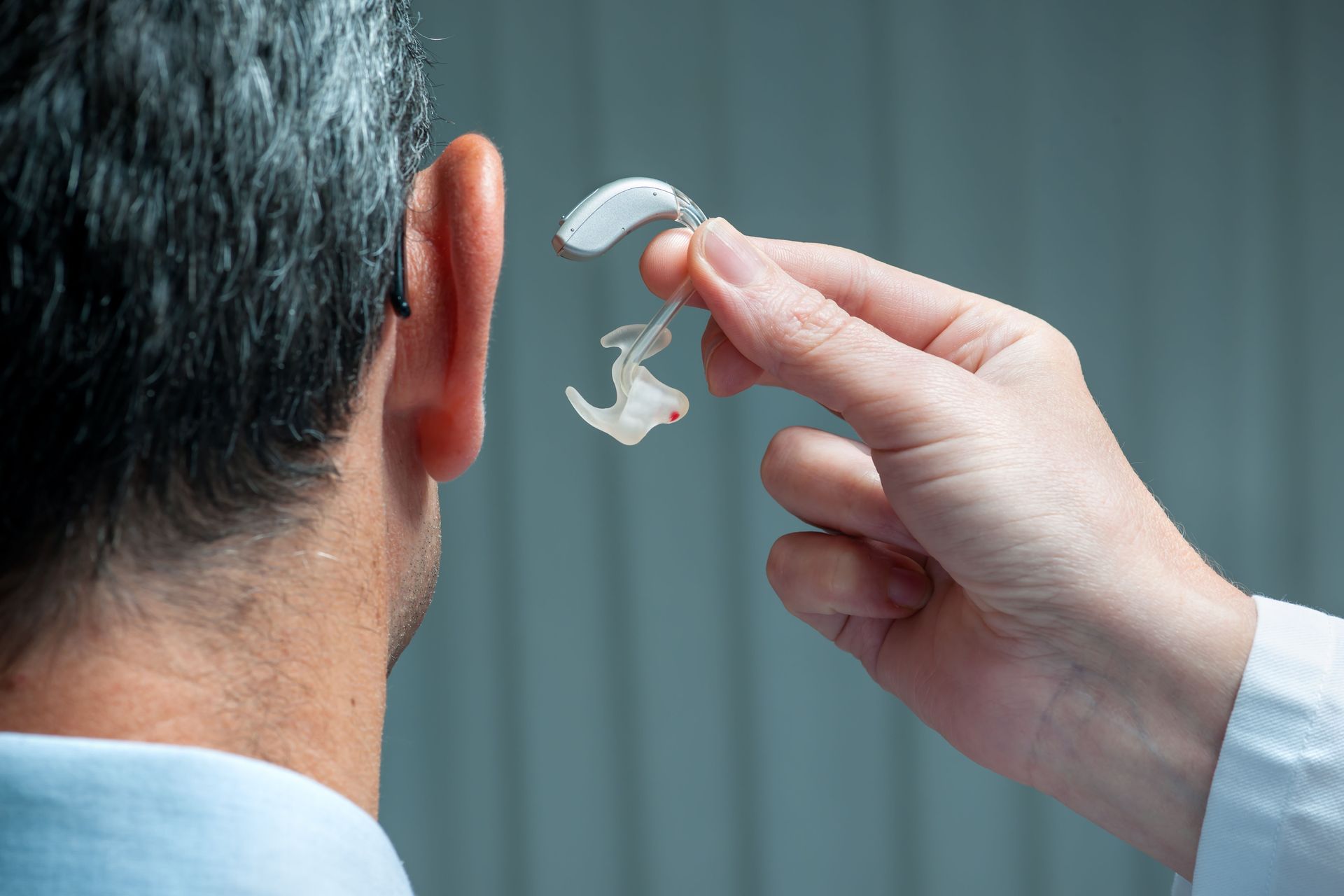
Sanitation of ear molds is integral not only for the hearing aid's longevity but also for users' ear health. The risk of bacterial infections is minimized by regular cleaning of molds. Use mild soap and water for cleaning ear molds followed by thorough drying before reattaching them to the device. Sanitation should be complemented by disinfection to eliminate invisible microbial threats. Overall hygiene practices, including this last step, aid in protecting your health and preserving device functionality.
Proper Storage Methods
Choosing the Right Storage Container
A suitable storage container is vital for safeguarding hearing aids from environmental damage. Opt for a hard-shell case, which can resist potential impact and dust ingress. Tailored containers with designated slots for each hearing aid will offer a firm grip and protection. Investing in a quality storage container is worth its weight in gold, retaining the device's condition during periods of non-use. Select containers designed to provide added features such as moisture absorption or shock resistance.
Storing in a Dry Environment
Hearing aids should be protected from excessive moisture exposure when not in use. Storing them in a controlled, dry environment greatly reduces the risk of moisture-related damage. Specialized drying kits or desiccant pouches can be added to storage routines to absorb any ambient humidity. This method allows hearing aids to breathe while eliminating potential fungus or bacterial growth. Dry-storage environments are pivotal for maintaining device longevity and preventing moisture damage.
Avoiding Extreme Temperatures
Exposure to extreme temperatures can significantly impact the functionality and durability of hearing aids. Protecting your devices from prolonged exposure to heat, such as direct sunlight or heaters, as well as freezing conditions, is essential. Thermal contracting and expanding could lead to malfunctioning or irreversible damage. By avoiding extreme conditions, the materials and electronics within remain intact and operational. Whether at home or on the move, being aware of the environmental conditions is crucial for device care.
Using Dehumidifiers
Utilizing dehumidifiers offers comprehensive protection against moisture exposure, especially in humid environments. Dehumidifiers designed for hearing aids efficiently draw out moisture absorbed by the device. Investing in electric or portable dehumidification systems could enhance the lifespan of your hearing aids. Nightly placement of hearing aids in such systems supports their optimal functioning. Reducing overall moisture content through dehumidification results in fewer moisture-related issues.
Traveling With Your Hearing Aids
Travel poses unique challenges for hearing aid users, with factors like pressure changes and foreign environments. Carrying a sturdy, dedicated travel case ensures devices are protected from injuries and misplacement. It's also wise to carry additional batteries, as finding replacements in unfamiliar areas might be challenging. Boarding a plane or navigating crowded stations, hearing aids must be safeguarded against potential loss or damage. Careful preparation and conscious awareness go a long way in ensuring the safety of your devices.
Battery Management Tips
When and How to Change Batteries
Knowing when to replace batteries ensures uninterrupted use of your hearing aids. According to Johns Hopkins Medicine, smaller hearing aid batteries need replacing within three to seven days, while larger ones may last up to 10 days. Monthly or bi-monthly checks for battery health through testers can prevent unexpected struggles. Noticing sound distortion or intermittent performance signals, it's time to replace your batteries. Consistent checks and timely changes ensure reliability in everyday tasks.
Extending Battery Life
Practicing techniques to extend battery life can save money and minimize wastage. Switching your hearing aids off when not in use prevents unnecessary power consumption. Avoid exposing batteries to extreme temperatures or humidity, which may degrade them prematurely. Opening battery compartments when not in use also helps in extending battery lifespan by allowing moisture to evaporate. Consistent care and informed use maximize the longevity and efficiency of every battery.
Proper Battery Disposal
Environmentally responsible battery disposal prevents hazardous waste in natural environments. Hearing aid users should check local regulations for battery disposal, as they frequently offer recycling stations. Improper disposal could risk harm to ecology and human health. Consider using battery recycling pouches if available, consolidating used cells before disposition. Safe practices ensure resources are recaptured and ecosystem contamination is minimized.
Using Rechargeable Batteries
Recharging capabilities for batteries provide a sustainable answer to single-use battery replacements. Investing in aids designed for rechargeable technology eliminates frequent battery swaps and enhances convenience. Though initially more costly, long-term savings through reduced purchasing and disposal costs can outweigh initial outlays. Rechargeable options frequently offer longer performance before recharges, minimizing device downtime. Green solutions through rechargeable adaptation can benefit both the user and the environment.
Recognizing Battery-related Issues
Identifying battery-related issues can often help diagnose broader hearing aid problems. Batteries that drain unusually fast or struggle with recharging might indicate underlying device failures. Noticing intermittent sound or complete silencing can suggest power delivery issues or faulty connectors. Careful check of battery health and connectors frequently reveals underlying causes of malfunctions. Quick resolutions are possible when battery concerns are addressed promptly.
Proper maintenance of hearing aids is non-negotiable if users wish to preserve performance and extend device lifespan. This article outlines comprehensive strategies designed to help users safeguard their hearing investments. Through daily care, proper storage, efficient battery management, and professional servicing, users can achieve optimal functionality and avoid costly repairs. Understanding and troubleshooting common issues proactively allows users to enjoy the full benefits of their hearing aids. Implementing these strategies promises continued auditory clarity and unparalleled satisfaction from their assistive devices. Contact Accuracy First for more information on maintaining your hearing aids.



Share On: